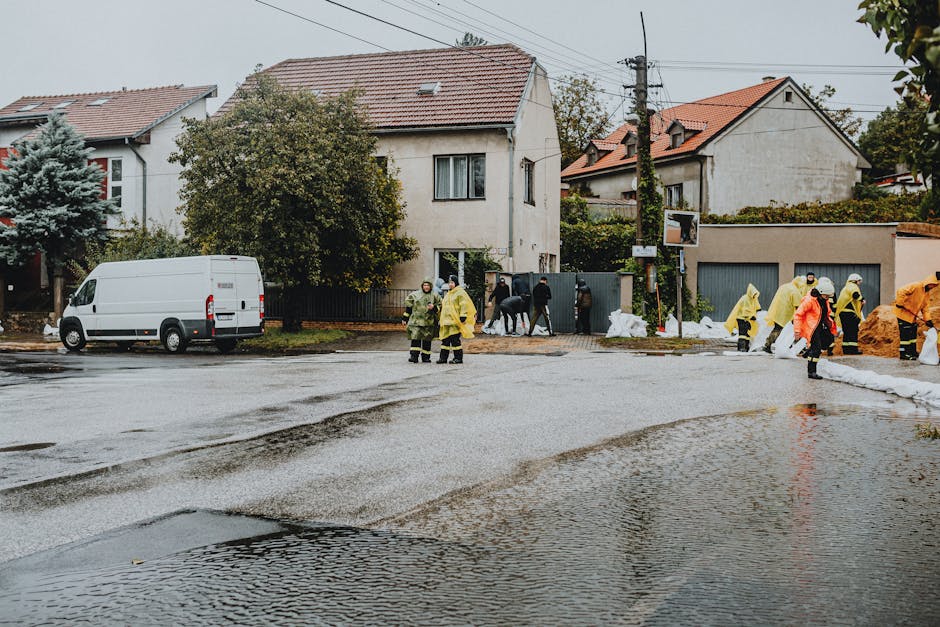
Fast flood carpet cleaning in Sanderstead emergency response
If you have just had water pour across the carpet, the room can feel suddenly smaller, noisier, and a bit panicky. Fast flood carpet cleaning in Sanderstead emergency response is about getting control quickly, before moisture starts spreading into underlay, skirting boards, and everything that gives a room that damp, heavy smell. In the first hour, the right actions matter a lot. In the first day, they matter even more.
This guide explains what happens during an emergency carpet flood response, what you can do straight away, how professionals approach drying and cleaning, and where the common traps are. It is written for real situations too: a burst pipe after work, a washing machine leak on a Saturday morning, or a soaked hallway after storm water gets in. Not glamorous, but very real.
For readers who want to understand the wider service options, it can also help to look at professional carpet cleaning in Sanderstead and the site's steam carpet cleaning approach for non-emergency deep cleaning once the flood issue is under control.
Table of Contents
- Why Fast flood carpet cleaning in Sanderstead emergency response Matters
- How Fast flood carpet cleaning in Sanderstead emergency response Works
- Key Benefits and Practical Advantages
- Who This Is For and When It Makes Sense
- Step-by-Step Guidance
- Expert Tips for Better Results
- Common Mistakes to Avoid
- Tools, Resources and Recommendations
- Law, Compliance, Standards, or Best Practice
- Options, Methods, or Comparison Table
- Case Study or Real-World Example
- Practical Checklist
- Conclusion
- Frequently Asked Questions
Why Fast flood carpet cleaning in Sanderstead emergency response Matters
Flooded carpet is not just a cleaning issue. It is a timing issue. Water moves fast through fibres, backing, underlay, and sometimes into the floor beneath. The longer it sits, the more chance there is of staining, odour, mould growth, and a much more complicated drying job later on.
People often underestimate how quickly a carpet can go from "just wet" to "problematic." A small leak behind a radiator can soak a patch that looks manageable from the top but is already travelling underneath. Then, of course, you get the smell. That stale, sour, damp smell nobody wants in a living room or office.
Fast response matters because it helps to:
- limit permanent carpet damage
- reduce the chance of lingering odours
- protect the underlay and subfloor
- make the room safe to use again sooner
- reduce disruption to family life or business operations
In Sanderstead, where homes can vary from older properties to newer layouts, water can behave unpredictably. A hallway carpet may wick moisture further than expected, while a lounge with thick underlay may hold water longer than you'd think. Truth be told, what looks like a small flood is often a larger moisture problem underneath.
Expert summary: Speed is important, but so is sequence. Extract first, assess moisture depth next, and only then decide how aggressive the cleaning and drying process needs to be.
If the flood has affected furniture or nearby soft furnishings, it can also be worth considering upholstery cleaning or sofa cleaning later in the recovery process, once the immediate carpet issue is under control.
How Fast flood carpet cleaning in Sanderstead emergency response Works
An emergency carpet flood response usually follows a practical sequence. The exact steps depend on the type of water involved, the amount of saturation, and how long the carpet has been wet. Clean water from a burst pipe is very different from dirty water that may have entered from outside. That distinction matters quite a bit.
1. Initial assessment
The first job is to understand the source and spread of the water. Is the leak still active? Is the water clean, grey, or contaminated? Has it reached adjoining rooms? An experienced cleaner will look at the carpet, the edges of the room, any visible staining, and signs that the underlay has taken a hit.
2. Water extraction
Next comes extraction. This is the hard-working part where standing water and surface moisture are removed using suitable equipment. The goal is not to simply make the carpet look less wet. The goal is to pull out as much hidden water as possible before it sinks deeper.
3. Moisture assessment and drying plan
After extraction, the carpet and surrounding materials need to be checked again. A drying plan may involve air movement, dehumidification, or targeted drying around the affected area. Some carpets recover well. Others need much longer, especially if the underlay is saturated.
4. Cleaning and sanitising where appropriate
Once excess water is removed, the carpet may need cleaning to deal with dirt, residues, or odour. Not every flood needs the same treatment. For example, clean water and a lightly contaminated spill should not be treated the same way, and a heavy-handed clean can sometimes do more harm than good. A measured approach wins here.
5. Final inspection and aftercare advice
Good emergency work ends with a final check. You should know whether the carpet can be walked on, whether further drying is needed, and what warning signs to watch for over the next day or two. If nearby areas also need attention, the team may recommend related services such as stain removal or pet stain and odour removal if the incident exposed pre-existing issues that were masked by the flood.
Key Benefits and Practical Advantages
There is a very practical reason people search for fast flood carpet cleaning: they want the room back, and they want it back properly. Not half-dried, not smelling odd in three days, and definitely not with a mysterious dark patch that keeps reappearing.
- Less long-term damage: quick extraction helps reduce fibre distortion, edge lifting, and underlay breakdown.
- Faster return to normal: a fast response usually shortens the overall disruption.
- Improved hygiene: prompt treatment helps reduce the build-up of damp-related bacteria and odours.
- Better chance of saving the carpet: the sooner the carpet is treated, the more likely it is to recover well.
- More accurate next steps: a proper assessment stops people guessing and making the situation worse.
For homes, that often means one less thing hanging over the day. For businesses, it can mean a hallway, reception area, or meeting room is restored without a full shutdown. If you manage a commercial property, the broader guidance on commercial carpet cleaning may also be relevant once the immediate emergency is dealt with.
Another benefit people overlook: a fast, measured response can prevent the carpet from being over-scrubbed. That matters. Wet fibres are vulnerable, and in some cases people rub at them in a panic, which spreads the mess and pushes it deeper. Happens all the time, honestly.
Who This Is For and When It Makes Sense
This service is for anyone dealing with a carpet that has been exposed to unexpected water. That sounds broad because, well, it is broad.
Common situations include:
- burst or leaking pipes
- overflowing sinks, baths, or toilets
- washing machine or dishwasher leaks
- rainwater entering through doors or weak points
- small internal floods caused by plumbing faults
- business premises with water damage in high-traffic areas
It makes sense to call for emergency support when the carpet is more than lightly damp, when water has been sitting for some time, or when you can smell that musty dampness already creeping in. If the water has come from an uncertain source, or if it may be contaminated, you should treat it with extra caution. Better safe than sorry, as the saying goes.
It is also sensible for landlords, letting agents, and facility managers. A calm, documented response helps protect the property and the people using it. In shared buildings, one wet carpet can become a neighbour issue quickly, especially if moisture spreads through adjoining spaces.
Step-by-Step Guidance
If you are standing in front of a wet carpet right now, do this in order. Keep it simple. No heroics.
- Stop the water source if you can do so safely. Turn off the appliance, isolate the supply, or alert the right person immediately.
- Protect people first. Keep children, pets, and anyone vulnerable away from slippery areas and electrical hazards.
- Lift lightweight items. Move rugs, chairs, side tables, and anything else that can trap moisture or stain the carpet.
- Blot, don't scrub. If it is safe, use clean towels to absorb surface water. Press down. Don't rub.
- Ventilate the room. Open windows where practical and safe, but avoid creating a dust storm if the weather is awful outside.
- Document the damage. Take a few photos before you start moving too much. That can help later with insurance or landlord conversations.
- Arrange professional extraction and drying. The sooner this happens, the better the odds.
- Monitor for odour or darkening edges. Those can be signs that water is still trapped beneath the visible surface.
A useful rule of thumb: if the carpet feels cool, springy, or spongy underfoot long after the obvious water has gone, there may still be hidden moisture. That is the point where a proper emergency response is much more valuable than another round with a towel.
Expert Tips for Better Results
Here are the little things that often make a big difference. Not dramatic stuff. Just the sort of practical judgement that keeps a problem from turning into a larger one.
- Act in the first hour if possible. That window matters far more than most people realise.
- Check the underlay early. A dry-looking carpet can still have a soaked layer beneath it.
- Use airflow carefully. Good air movement helps, but blasting heat at the carpet can sometimes set stains or cause uneven drying.
- Keep an eye on the edges. Carpet edges and seams often show the first signs of wicking or distortion.
- Match the method to the water type. Clean water, grey water, and contaminated water should not be handled as if they were identical.
One more thing: if a room has already had a bit of wear and tear, flood cleaning may reveal old marks rather than create them. That can be a surprise. A slightly irritating one, to be fair, but it does happen. A good technician will separate damage caused by the flood from issues that were already there.
For stubborn marks that become visible after drying, a specialist stain removal treatment may be needed. And if the affected carpet is a loose piece rather than fitted flooring, rug cleaning may be the better route.
Common Mistakes to Avoid
Flooded carpets make people do odd things. Understandable, but still worth avoiding.
- Scrubbing hard: this can drive dirt deeper and damage the fibres.
- Using too much heat: heaters placed too close can distort carpet or create patchy drying.
- Ignoring the underlay: if that stays wet, the problem usually comes back.
- Putting furniture back too early: legs can stain, sink, or trap moisture marks.
- Assuming odour means "it will dry out on its own": sometimes it will, sometimes it will not. The smell is a clue, not a nuisance to ignore.
- Delaying action until tomorrow: tomorrow has a way of making flood damage more expensive.
Another classic mistake is trying to use only a household vacuum on wet carpet. Unless it is specifically designed for liquids, that is not the move. Safety first, equipment second, and guesswork never really helps.
Tools, Resources and Recommendations
You do not need a warehouse of equipment to handle the first moments of a flood, but the right tools help a great deal.
| Tool or item | What it helps with | Practical note |
|---|---|---|
| Clean towels or absorbent cloths | Blotting surface water | Use pressure, not rubbing |
| Wet extraction equipment | Removing deeper moisture | Best used by trained technicians |
| Air movers or fans | Supporting drying | Helpful when positioned carefully |
| Dehumidification | Reducing moisture in the room | Useful where air is already damp |
| Moisture checks | Assessing hidden water | Important for underlay and edges |
In practical terms, the most useful recommendation is simple: do not assume surface dryness means the carpet is fully recovered. A room can feel okay to walk into and still be quietly holding moisture in places you cannot see. That is where an experienced cleaner earns their keep.
If the area needs a broader refresh after the emergency has passed, the site's main carpet cleaning service can be a sensible follow-up. For soft furnishings exposed to damp air, you may also want to review upholstery cleaning or mattress cleaning if nearby items have absorbed odour.
Law, Compliance, Standards, or Best Practice
Flood carpet cleaning sits in a practical space where safety, hygiene, and property care overlap. There is no single universal rulebook for every situation, but good practice in the UK generally centres on risk awareness, careful handling of contaminated materials, and a sensible approach to electrical and slip hazards.
For households and businesses, the most important principle is to avoid making unsafe assumptions. Water and electricity do not mix, wet floors create slip risks, and contaminated water should be handled much more cautiously than clean water from a fresh pipe burst. If in doubt, isolate the area and get professional advice.
Commercial premises may also need to consider duty of care to staff, customers, and visitors. That does not mean panicking about paperwork every time a leak happens. It means taking prompt action, recording what happened, and making sure the area is safe before normal use resumes.
Trusted providers should also be able to explain their approach to safety and trust. If that matters to you, it is worth reviewing pages such as health and safety guidance and insurance and safety information before booking any emergency work. Those details matter more than people think when the pressure is on.
And yes, if you are a tenant or landlord, the practical line is still the same: deal with the issue quickly, communicate clearly, and keep records. Simple, but not always easy when there is water everywhere.
Options, Methods, or Comparison Table
Not every flooded carpet needs the same response. The right method depends on the size of the incident, the water source, and how valuable the carpet is to the room's function and appearance.
| Approach | Best for | Pros | Limits |
|---|---|---|---|
| Basic towel drying | Very small spills | Quick, accessible, low effort | Usually not enough for real flooding |
| DIY fan and ventilation | Light dampness after a minor leak | Cheap and immediate | May miss hidden underlay moisture |
| Professional extraction and drying | Most flood incidents | Faster, more thorough, better for hidden water | Requires booking and specialist equipment |
| Deep cleaning after drying | When dirt, residue, or odour remains | Restores appearance and hygiene | Should come after moisture is dealt with |
In most real cases, the best answer is a combination of extraction first and careful drying second. Cleaning alone is rarely enough. Drying alone can leave residue behind. The balance matters.
That is also why a lot of customers end up using an emergency response first, then a separate service later if the carpet needs a more routine freshen-up. It is not overkill. It is just sensible sequencing.
Case Study or Real-World Example
Imagine a ground-floor lounge in Sanderstead on a wet Friday evening. A pipe connection under a sink loosens, water spreads under the door, and by the time someone notices, a section of carpet near the lounge entrance is soaked. The visible water is easy to spot, but the smell is already there by the next morning: cold, earthy, slightly sour.
The sensible response in that situation is not to keep walking on it and hope for the best. First, the water source is isolated. Then the room is cleared of light furniture. Surface moisture is removed, the carpet is assessed, and the likely spread beneath the surface is checked. If the underlay is wet, drying support is put in place and the area is revisited rather than rushed.
What tends to happen with good emergency handling is quite boring, in the best way possible. No big drama later. No musty surprise after the carpet looks dry. No awkward conversation two weeks later about why the room still smells damp. Just a straightforward return to normal, which is exactly what people want when life is already inconvenient.
In a business setting, the same logic applies. A reception area with water damage does not just need a cosmetic wipe-down; it needs a controlled recovery so that staff and visitors can use the space safely. If the carpet is in a public or shared environment, that careful approach becomes even more valuable.
Practical Checklist
Use this checklist if you are dealing with a flood right now or planning for one. Nobody likes emergency prep, but it helps.
- Identify and stop the source of water if safe to do so
- Keep people and pets away from the wet area
- Switch off electrical items near the affected carpet
- Move furniture and loose items out of the room
- Blot the surface water with clean towels
- Improve ventilation without creating additional risk
- Photograph the damage for records
- Arrange professional extraction and drying
- Monitor for lingering odour or cold damp patches
- Only replace furniture once the carpet and underlay are properly dry
If the flood came with staining or residue, keep the material sample or note what caused it if you can. That small detail can be useful later when choosing a treatment method. Bit of a faff at the time, yes, but it helps.
Conclusion
Fast flood carpet cleaning in Sanderstead emergency response is really about making the right decisions quickly. Stop the source, protect the space, remove water properly, and dry the carpet with care. Get that sequence right, and you give the carpet the best chance of recovery while reducing stress for everyone involved.
Whether the issue is a burst pipe, a leaking appliance, or storm-related water getting in, the same core idea applies: speed matters, but accuracy matters too. A rushed clean can leave hidden moisture behind. A careful emergency response can save time, money, and a lot of frustration later on.
If you are dealing with a wet carpet now, do not wait for the smell to get worse or the patch to spread. Act early, ask for help if needed, and keep the process calm. You will be glad you did.
Get a free quote today and see how much you can save.
Frequently Asked Questions
How quickly should flood carpet cleaning happen after a leak?
As soon as possible. The first hour is ideal for limiting spread, but even if some time has passed, fast action still improves the outcome. The longer water sits, the greater the risk of damage to the carpet and underlay.
Can a wet carpet be saved after flooding?
Often, yes. It depends on the type of water, how long it has been wet, and how deeply the moisture has travelled. Clean water incidents usually have the best chance of recovery if dealt with quickly.
Why does my carpet smell damp after it looks dry?
Because hidden moisture may still be trapped underneath. The surface can feel dry while the underlay or backing remains damp. That smell is usually a sign to inspect further rather than ignore it.
Is it safe to use a normal vacuum on a flooded carpet?
No, not unless the vacuum is specifically designed for liquids. Regular vacuums are not made for wet extraction and can become unsafe very quickly.
Do I need professional help for a small carpet flood?
Not every spill needs professional treatment, but if water has soaked beyond the surface, reached the underlay, or stayed in place for a while, professional help is usually the sensible choice.
What should I do first when my carpet floods?
Stop the water source if it is safe, keep people away from the area, and remove any portable items from the room. Then focus on extraction and drying. That order matters.
Can flood water damage carpet permanently?
Yes, especially if it is left too long or if the water is contaminated. Fibres can distort, backing can weaken, and odours may remain even after the surface looks clean.
How long does emergency carpet drying take?
It varies widely. A light clean-water incident may dry relatively quickly, while deeper saturation can take much longer. Room conditions, airflow, and underlay type all affect the drying time.
Should furniture be put back on the carpet straight away?
No. Wait until the carpet and underlay are fully dry. Putting furniture back too soon can leave marks, trap moisture, or cause new damage.
What is the difference between flood cleaning and ordinary carpet cleaning?
Flood cleaning focuses first on water extraction, moisture control, and safety. Ordinary carpet cleaning is usually about soil removal and appearance. In an emergency, drying and stabilising the area come first.
Can flood cleaning also remove stains and odours?
Sometimes yes, but not always as part of the first visit. Once the carpet is dry, targeted stain removal or odour treatment may be needed depending on what caused the flood and what was already in the carpet.
Who is fast flood carpet cleaning most useful for?
It is useful for homeowners, tenants, landlords, letting agents, and businesses with carpeted areas. Anyone who needs a wet carpet restored quickly and safely can benefit from it.
For more background on how the team works and the standards it aims to maintain, you can also review the company's about us page, along with its pricing and quotes information and terms and conditions. If you want to speak to someone directly, the contact us page is the most direct route.